

Three Months vs Six Months: What Fits Your Life
Different people need different safety nets. We break down which savings benchmark actually makes sense for your situation and income stability.
Read MoreStop guessing. Learn the proven formula for calculating your emergency fund target based on Malaysian living costs and income stability.
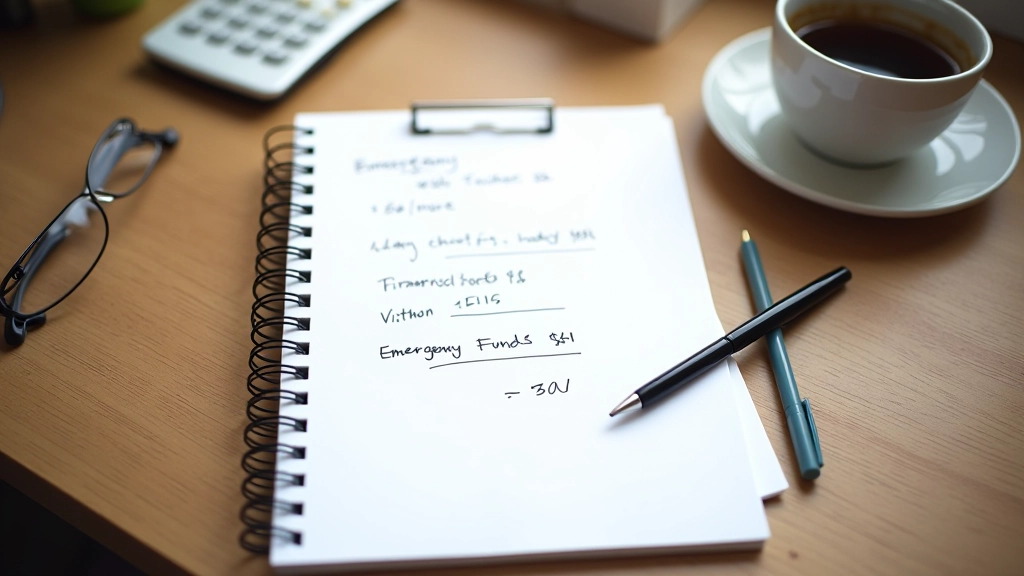
You’ve probably heard the rule — three to six months of expenses. But here’s the thing: that’s generic advice for people living everywhere, not specifically for you living in Malaysia. Your actual number depends on real factors. Job market stability. Medical costs in your area. Whether you’re supporting family. The number that works for someone in Kuala Lumpur might be completely different from someone in a smaller town.
We’re not going to give you a one-size-fits-all answer. Instead, we’ll walk you through the actual calculation so you can figure out what makes sense for your specific situation. This isn’t complicated math — it’s just taking what you spend and multiplying it by how many months of buffer you actually need.

Start with your monthly expenses. Everything. Rent or mortgage. Utilities. Groceries. Insurance. Phone bill. Internet. Transportation. Anything you spend money on each month — that’s your number. Let’s say it comes to RM3,500. Write that down.
Next, decide your safety buffer. This is where personal circumstances matter. If you’re in a stable job with benefits and support from family nearby, you might be comfortable with three months. That’s RM10,500 as your emergency fund. But if you’re freelance, or you’re the sole earner supporting dependents, or your field has unpredictable work, you’ll probably want six months — RM21,000 — or even more.
Monthly expenses Number of months = Emergency fund target
Example: RM3,500 4 months = RM14,000 target
Four months might sound random, but it’s actually reasonable for many Malaysian situations. You’ve got enough cushion for a job search or unexpected medical expense, but you’re not keeping so much cash sitting idle that it’s not working for you elsewhere.

Different situations call for different amounts. Here’s what pushes you toward the higher end of the range:
Freelancers, contractors, or anyone in competitive fields should aim for 6-9 months. Your income isn’t guaranteed, so you need more cushion. A typical job search in Malaysia takes 2-4 months — but you don’t want to be panicked if it takes longer.
Supporting kids, aging parents, or other family members? You’re the safety net for multiple people. Six months minimum, honestly. Their expenses don’t stop just because yours did.
Chronic health conditions or family medical history? Medical costs in Malaysia vary wildly between public and private care. Budget an extra month or two for potential procedures or ongoing treatment.
If you own property, things break. Roofs, air conditioning, plumbing. Renters can move, but homeowners are stuck with repair costs. That’s another reason to lean toward the higher side of your calculation.
Do you have family who’d help in a crisis? Employer benefits like sick leave or hardship programs? Fewer safety nets means you need a bigger emergency fund. Three months might work if you’ve got backup. Six or more if you’re going it alone.
In KL you might manage without a car. In Johor or Sabah, a broken car is a genuine emergency. Add RM1,500-3,000 to your target if vehicle repair or replacement could derail your life.
We see the same patterns over and over. Understanding these helps you avoid them.
Here’s where people mess up. They calculate their monthly expenses and include their car loan, credit card payment, and mortgage. But if you lose your job, many of those obligations can be renegotiated or temporarily paused. Your emergency fund covers the essentials: rent, food, utilities, insurance. Not debt payments. That’s a different financial decision.
Another common mistake? Starting the emergency fund too late. You’re 28, making decent money, and you think you don’t need one yet. Then something happens at 30 — a layoff, medical emergency, family crisis — and suddenly you’re borrowing money instead of using your own savings. The best time to start is when you’re employed and things are stable.
Also, don’t keep your emergency fund in your regular checking account where you’ll be tempted to spend it on a holiday or a new phone. It needs to be separate. Easy to access in a real emergency, but not so convenient that you raid it for discretionary spending.

You don’t need to hit your target overnight. Most people build their emergency fund gradually over 12-24 months. Here’s a realistic approach:
Get RM3,500 (or whatever your monthly expenses are) into a separate savings account. This is your baseline. It covers immediate emergencies — medical costs, car repairs, unexpected travel. This usually takes 1-2 months if you’re consistent with saving.
Once you’ve got one month saved, aim for three. That’s RM10,500 in this example. At this level, you can handle most job transitions or health situations without panic. Takes another 4-6 months for most people.
Whether that’s four, six, or nine months depends on your situation. Keep adding to it monthly until you hit your number. Some people automate this — RM500 or RM1,000 per month directly from their salary into the emergency account.
The whole process doesn’t have to be stressful. You’re not sacrificing your life or going without everything. You’re just being intentional about money. Eating out 3 times a week instead of 5. Streaming services you actually use. Small shifts that add up.
The three-to-six-month rule exists because it works for most people in most situations. But you’re not most people — you’re you, with your specific income, expenses, job security, and obligations. The calculation we walked through gives you a starting point. Take your monthly expenses, multiply by the number of months that fits your life, and that’s your target.
It’s not about having enough money to never struggle. It’s about having enough breathing room that one problem doesn’t become three problems. A job loss doesn’t become a eviction. A medical expense doesn’t become credit card debt. That’s what an emergency fund really does.
Start calculating today. Even if your target feels far away, getting started matters more than being perfect. You’ve got this.


This article is educational material designed to help you understand emergency fund concepts and calculation methods. It is not financial advice, and the calculations and recommendations presented are general guidelines that may not apply to your specific circumstances. Your actual emergency fund needs depend on your personal financial situation, income stability, expenses, dependents, health status, and local economic conditions. Before making financial decisions, we strongly encourage you to consult with a qualified financial advisor or planner who can assess your individual situation. The information provided here is current as of March 2026 and may change over time. Always verify current banking rates, account features, and financial products before making decisions.