
Build Financial Resilience in Malaysia
Practical guides for emergency fund planning, liquidity management, and contingency strategies that actually work for your life

Emergency Funds Aren’t Optional
In Malaysia’s economic landscape, having liquid reserves is critical. We’re here to show you how.
Life doesn’t follow a budget. Job loss, medical emergencies, or unexpected expenses happen—and they don’t wait for your next paycheck. That’s where an emergency fund comes in. It’s not about being pessimistic; it’s about being prepared.
The challenge? Most people don’t know where to start. Should you save three months of expenses or six? Where do you actually keep this money so it’s accessible but not tempting to spend? What’s the right amount for a freelancer versus someone with a steady salary?
We’ve built this resource specifically for Malaysians—covering everything from calculating your target amount based on local living costs to finding the best high-yield savings accounts and fixed deposits. No fluff, no jargon. Just practical steps you can implement this week.
Sleep Better at Night
Knowing you’ve got a safety net reduces stress and helps you make better financial decisions when things get tough.
Time to Respond
When crisis hits, you won’t be forced into bad decisions. You’ll have breathing room to handle things properly.
Build Long-Term Wealth
A solid emergency fund is the foundation for everything else—saving, investing, and building real financial security.
How to Build Your Emergency Fund
A straightforward four-step framework you can follow at your own pace
Calculate Your Target
Determine how many months of expenses you need to cover. For most Malaysians, three to six months is realistic. We’ll help you figure out the exact number based on your situation—job stability, dependents, and industry.
Choose Your Savings Vehicle
Not all savings accounts are equal. High-yield savings accounts, fixed deposits, and money market funds each have different benefits. We compare them so you’re not leaving interest on the table.
Set Up Automatic Transfers
Automate your savings so you’re not relying on willpower. Even RM200-300 per month adds up. We’ll show you how to set this up with your bank in Malaysia.
Keep It Liquid, Don’t Touch It
Once you’ve reached your target, the hardest part begins—not spending it. We share strategies for resisting the temptation and knowing when it’s actually appropriate to use it.
Core Topics Covered
Everything you need to understand emergency fund fundamentals
Emergency Fund Calculation
The proven formula for determining your target amount based on monthly expenses, income stability, and dependents. We include Malaysian-specific cost-of-living data.
Savings Benchmarks
Why three months works for some people and six months works for others. We break down benchmarks for salaried workers, freelancers, and business owners.
Liquidity Management
Keeping your money accessible without making it too easy to spend. We compare high-yield savings, fixed deposits, and money market funds available in Malaysia.
Contingency Planning
Beyond the emergency fund—strategies for different types of crises and how to protect yourself with insurance, diversification, and smart planning.
Malaysian Banking Options
A detailed comparison of banks, fintech platforms, and investment vehicles you can actually use to store your emergency fund in Malaysia.
Growing Your Reserves
Once your emergency fund is established, strategies for growing it without taking on unnecessary risk or locking your money away long-term.
Building Financial Resilience in Malaysia
Start with these essential guides on emergency fund planning and liquidity management
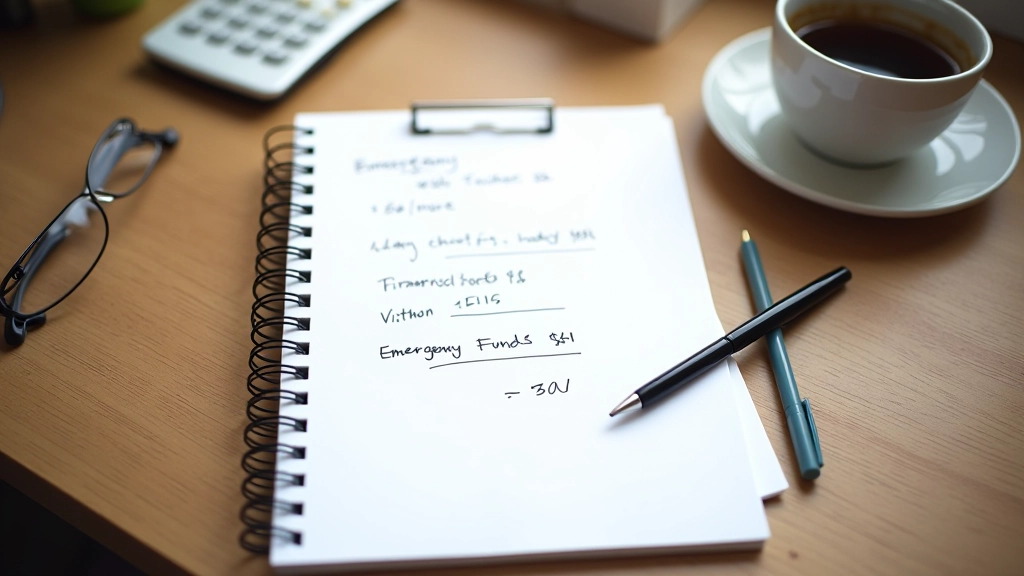
How Much Emergency Fund Do You Actually Need
Stop guessing. Learn the proven formula for calculating your emergency fund target based on Malaysian living costs and income stability.
Read Guide
Three Months vs Six Months: What Fits Your Life
Different people need different safety nets. We break down which savings benchmark actually makes sense for freelancers, salaried workers, and business owners.
Read Guide
Where to Keep Your Emergency Fund: Best Accounts in Malaysia
High-yield savings accounts, fixed deposits, and money market funds compared. We show you which options give the best liquidity and returns without locking your money away.
Read GuideQuestions About Emergency Funds
Clear answers to help you get started
When should I start building an emergency fund?
Right now. Even if you can only save RM100-200 per month, start immediately. The habit is more important than the amount. If you’re currently in debt, you might build a small RM1,000-2,000 fund first, then tackle debt, then expand the fund. But don’t wait until you’re debt-free—that could take years.
Should I use a regular savings account or something else?
Regular savings accounts aren’t ideal—interest rates are often below 1%. Look for high-yield savings accounts (some Malaysian banks offer 2-4%), fixed deposits (4-5%), or money market funds (3-4%). The key is finding something accessible but not so convenient that you’re tempted to spend it on non-emergencies.
What counts as an emergency?
Job loss, medical expenses, car repairs, home repairs, family emergencies. What doesn’t count: a new phone you want, vacation, or gifts. The emergency fund isn’t for things you can plan for—that’s what regular savings are for. If you’re unsure, it probably isn’t an emergency.
Can I invest my emergency fund?
Not in stocks or unit trusts—you need the money to be stable and accessible. However, fixed deposits and money market funds offer better returns than regular savings while keeping your money liquid. That’s the sweet spot for emergency funds.
What if I haven’t finished paying off debt?
Build a small emergency fund first (RM1,000-2,000), then aggressively pay down high-interest debt, then expand your emergency fund. A completely empty emergency fund means one small crisis pushes you deeper into debt. Balance is key.
Is three months really enough?
It depends. If you’re a salaried employee with a stable industry and a working partner, three months is solid. If you’re self-employed, freelance, or the sole earner, six months is safer. We’ve got a guide that walks you through the calculation.
Why People Build Emergency Funds
These aren’t success stories—they’re just people who were prepared
“I lost my job during the pandemic without warning. If I hadn’t saved for six months, I’d have been in serious trouble. Instead, I had time to find something better instead of just grabbing the first offer.”
“My car broke down completely and needed RM3,500 in repairs. That would’ve destroyed me a year ago, but because I’d been saving, it was just an inconvenience. Not a crisis. Honestly, that single experience made the whole thing worth it.”
“I’m self-employed and my income isn’t consistent month to month. Having six months saved means I’m not panicking when a client delays payment. I can focus on actually doing good work instead of constantly worrying.”
Ready to Build Financial Resilience?
Start with our emergency fund calculator and discover your target savings amount in five minutes. Then get personalized recommendations based on your situation.
Get StartedWhat You Get
- Step-by-step emergency fund calculation
- Comparison of savings vehicles in Malaysia
- Personalized benchmarks for your situation
- Strategies for different life circumstances
- Answers to your specific questions