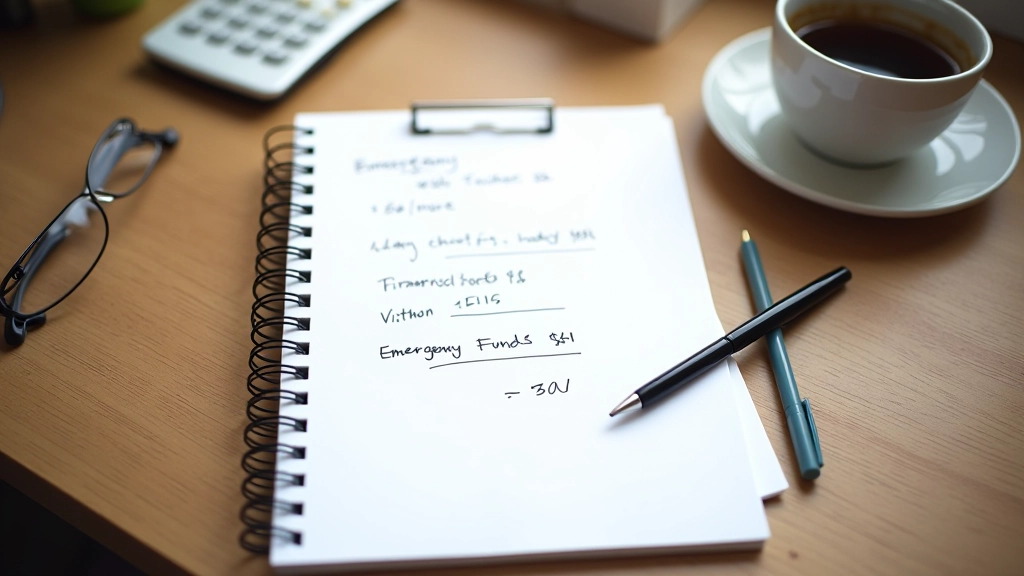
Building Your Contingency Plan: What Emergencies Really Look Like
Job loss, medical costs, home repairs — we map out real scenarios Malaysian households face and how to prepare for them without overthinking.

Why Real Emergencies Matter More Than You Think
It’s easy to imagine an emergency fund as something theoretical. But real life doesn’t work that way. Your car breaks down on a Tuesday. A family member needs unexpected medical treatment. You’re suddenly laid off. These aren’t worst-case scenarios — they’re the situations most Malaysian households face at some point.
The difference between families who weather these storms and those who spiral into debt comes down to one thing: preparation. Not elaborate financial plans or complex spreadsheets. Just honest understanding of what could happen and a realistic fund to handle it. That’s what we’re covering here.

The Four Emergencies You’re Most Likely to Face
Understanding what could happen helps you plan realistically.
Job Loss or Income Reduction
This is the big one. Most financial advisors recommend having 3-6 months of living expenses saved for this reason. You’ll need to cover rent, utilities, food, and other essentials while you search for new work. The average job search in Malaysia takes 2-4 months.
Medical Expenses
Even with health insurance, you’ll face out-of-pocket costs. A hospital stay can run RM5,000-15,000 depending on the condition. Dental work, eye surgery, specialist visits — these add up quickly and insurance rarely covers everything.
Home or Car Repairs
A major car repair: RM2,000-8,000. A burst pipe in your home: RM1,500-5,000. Air conditioning replacement: RM3,000-6,000. These aren’t catastrophic, but they’re disruptive and need immediate attention.
Family or Personal Crisis
A death in the family requiring unexpected travel. A friend or relative needing financial help. Your child’s school fees increasing unexpectedly. Life throws curveballs, and having a buffer means you’re not scrambling.
How Much Do You Actually Need?
Here’s the straightforward approach. Don’t get lost in perfect formulas. Calculate your monthly expenses — everything you spend to keep life running. That’s your baseline number.
From there, most people should aim for 3-6 months of expenses. Why the range? If you’ve got stable employment and someone else’s income backing you up, three months works. If you’re self-employed or your industry moves slowly (like construction or consulting), you’ll want six months.
Let’s say you spend RM4,000 monthly on essentials. Three months means RM12,000. Six months means RM24,000. Start with three months and build up when you can. Getting to RM12,000 is already transformative.
“The emergency fund isn’t about being pessimistic. It’s about being realistic. Bad things happen. You’re just deciding to handle them without panic.”

Building Your Fund: The Realistic Approach
You don’t need to save everything at once. Here’s how to actually build this without feeling deprived.
Start with One Month
Seriously, that’s it. If you spend RM4,000 monthly, get RM4,000 set aside in a separate account. This small win builds momentum and covers most minor emergencies. It usually takes 2-3 months of disciplined saving for most people.
Build to Three Months
Once you’ve hit one month, keep going. Don’t withdraw from it unless there’s a genuine emergency. Most people reach three months within 6-8 months. This covers you for job loss or a major medical event.
Continue to Six Months (Optional)
If you’re self-employed or in an unstable industry, keep building. Six months gives you serious peace of mind. For most people, reaching this takes a year or two of consistent saving, which is completely fine.
Where to Keep It (It Matters)
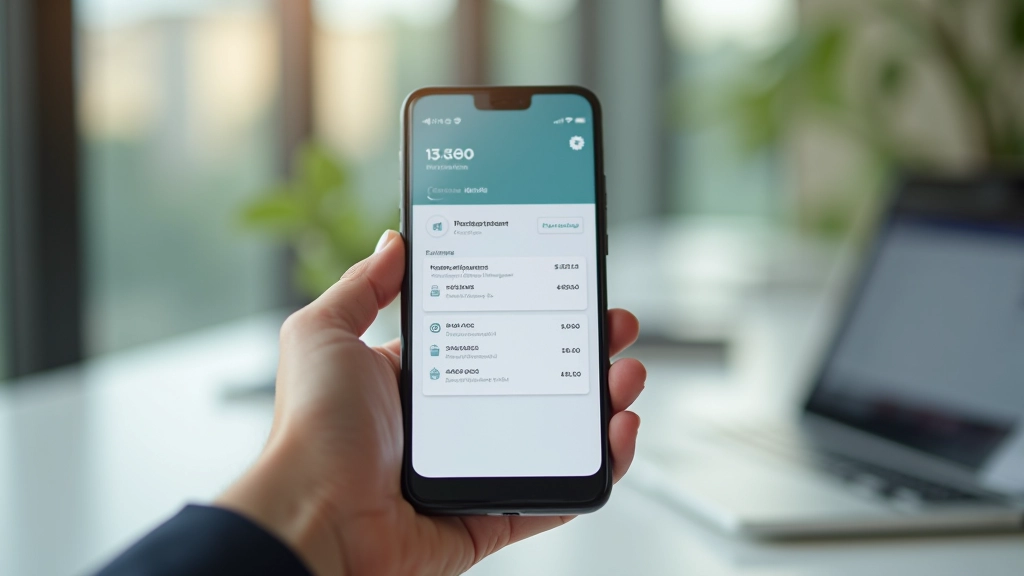
Your emergency fund shouldn’t be sitting in your current account where you might dip into it. You also don’t want it locked away in an investment you can’t access quickly. The sweet spot? A high-yield savings account or fixed deposit.
Malaysian banks like CIMB, Maybank, and Hong Leong offer savings accounts with 3-4% interest rates. That’s real money — on RM12,000 saved, you’re earning RM360-480 annually just for letting it sit. Fixed deposits offer slightly higher rates (4-5%) but require you to commit for a set period. For an emergency fund, the flexibility of a savings account usually wins.
The key rule: it should take 1-2 business days to access your money. Not instant, but not complicated either. This prevents impulsive withdrawals while keeping your fund genuinely liquid.
Beyond the Emergency Fund
Once you’ve built a solid emergency fund, you’ve completed the foundation. But here’s the truth — emergencies are just one part of financial resilience. You’re also building something bigger: confidence that you can handle life’s surprises.
That confidence changes how you make decisions. You’re less likely to take on bad debt. You negotiate better at work because you’re not desperate. You sleep better at night. These aren’t small things.
Start where you are. Don’t compare your journey to anyone else’s. Someone with RM8,000 saved is further along than someone with zero, even if it’s “only” two months of expenses. The goal isn’t perfection — it’s progress and peace of mind.

Important Disclaimer
This article is for educational purposes and provides general information about emergency fund planning. It’s not financial advice, and circumstances vary based on individual situations, income stability, family structure, and location within Malaysia. Everyone’s financial situation is different — what works for one household may not work for another. Consider consulting with a qualified financial advisor who understands your specific circumstances before making major financial decisions. The examples and figures provided are illustrative and based on typical Malaysian scenarios, but your actual costs may differ.